


Gemini Omni 1.2 Flash text and reference image to video

Gemini Omni 1.2 Flash
Google動画
公開日2026年11月
最低料金$0.0092 /秒
28 件のモデル
Gemini Omni 1.2 Flash text and reference image to video
Google動画
公開日2026年11月

Seedance 2.5 Flash is ByteDance Seed's cost-optimised variant of Seedance 2.5. It generates 480p and 720p clips from text, first/last frames, and multimodal references, with synchronised audio and the same asynchronous task workflow as the rest of the Seedance family.

ByteDance動画
公開日2026年11月
Seedream 5.0 Flash is ByteDance's speed-optimised image model. It renders 1K or 2K PNGs from a prompt and accepts up to ten reference images for guided edits, which makes it a practical choice for fast drafts and style exploration.
ByteDance画像
公開日2026年10月
GPT Image 2.5 is OpenAI's image generation and editing family from late 2026, shipped in two API variants rather than one: Sunburst, tuned for editing precision, and Flare, tuned for fast everyday generation. Compared with GPT Image 2 it produces crisper detail, more natural lighting and richer textures, holds the subject of a reference photo more faithfully, and follows multi-step edit instructions more reliably, with OpenAI claiming a substantial latency reduction. Both variants accept text and image inputs, expose quality levels up to a maximum setting, support transparent backgrounds and a markup overlay for pointing at regions, and can stream partial images while a request renders. The exact model string you call carries the variant suffix.

OpenAI画像
公開日2026年9月

Midjourney imagine generation with native --ar and --stylize parameters

その他画像
公開日2026年8月

MiniMax H3 text, first/last frame and multimodal reference video

MiniMax動画
公開日2026年8月
Wan 3.0 is Alibaba's multimodal video model. It generates clips from 2 to 30 seconds at 480p, 720p or 1080p, starting from text, frames, up to ten reference images, reference videos or reference audio, with a soundtrack generated alongside the picture.

Alibaba動画
公開日2026年8月
Wan 3.0 Pro is the high-resolution tier of Alibaba's Wan 3.0 line. It keeps the multimodal inputs and 2–30 second range, and outputs at 1080p, 2K or 4K for finishing rather than drafting.
Alibaba動画
公開日2026年8月
Seedance 2.5 is ByteDance Seed's flagship video creation model, served through the official API. It keeps the unified audio-video joint-generation architecture introduced with Seedance 2.0 and pushes it toward finished work rather than single clips: longer continuous sequences that hold a story across several shots, repeatable extension, and a much larger pool of image, video and audio references. Seedance 2.5 also adds timestamp-level editing — retiming a beat, swapping a background, or rewriting one moment of a clip — plus native multilingual dialogue. It is aimed at people who need to deliver a piece: advertising, short drama, product film and previsualisation, where continuity, sound and editability matter more than novelty.
ByteDance動画
公開日2026年7月
Seedream 5.0 Pro is ByteDance Seed's professional image model, aimed at design and production work rather than one-off pictures. It is built around four things: turning dense information into readable infographics, editing by pointing and outlining instead of re-prompting, rendering light, material and skin with photographic credibility, and handling more than ten languages natively, including right-to-left scripts. It can also separate a finished poster into editable layers, which is unusual for a generation model and useful when the output has to move into a design file. It is available through the official API, the Doubao app and Jimeng, and the API exposes coordinate-based editing and layer decomposition. ByteDance itself notes that fine-grained text rendering and pixel-level edit consistency still have room to improve.
ByteDance画像
公開日2026年7月

Nano Banana 2 Lite is the fastest and most economical member of Google's Nano Banana image family, shipped as Gemini 3.1 Flash Lite Image. It is built for volume and interactivity rather than maximum fidelity: a text or image prompt comes back as a usable picture in one quick round trip, so chat interfaces, live previews, thumbnail pipelines, and consumer features can afford to generate on every interaction. It handles the everyday editing vocabulary well — swap a colour, drop in a sticker, clean up or replace a background, restyle a photo — and offers a broad set of aspect ratios, including very wide and very tall banner formats. It is deliberately not the model for stacking many references or running long multi-turn editing sessions; the larger Nano Banana models cover that. Outputs are watermarked and carry provenance metadata.
Google画像
公開日2026年6月

Kling 3.0 Turbo is the fast tier of Kuaishou's Kling 3 line. It turns a prompt, or a single first-frame image, into a 3–15 second clip at 720p or 1080p, with the same motion quality as its siblings at a lower price.

Kling動画
公開日2026年6月

Seedance 2.0 Mini is the entry tier of the Seedance 2.0 family, built for volume rather than maximum fidelity. It keeps the 2.0 generation stack — text and image input, multimodal references, video editing, extension and synchronized audio — inside the lowest resolution band of the family, which is what lets it run cheaply and at high frequency. ByteDance's own framing is about lowering the threshold and supporting large-scale, repeated generation. Use it for prompt exploration, storyboard checks, social cutdowns, A/B variants and pipelines that need many clips per budget; move hero shots to Seedance 2.0.
ByteDance動画
公開日2026年6月

GPT Image 2 is OpenAI's image generation and editing model released in April 2026, the generation that first paired its image output with reasoning. It improved instruction following, object placement, dense text and user-interface rendering, and it was announced alongside a thinking mode that can search the web and produce several distinct images from one brief. The API model, gpt-image-2, accepts text and image inputs, works through the images endpoints, supports inpainting and batch jobs, and produces images at flexible sizes. OpenAI now marks it deprecated in its model documentation in favour of the 2.5 variants, so it is a solid choice for existing integrations and pinned workflows rather than for new builds.
OpenAI画像
公開日2026年4月

Seedance 2.0 Fast is the speed-and-cost tier of the Seedance 2.0 family. It keeps the 2.0 feature set — multimodal references, video editing, video extension, synchronized audio and prompt-driven camera planning — but renders faster and costs less per second, with a lower resolution ceiling than the standard tier. ByteDance positions it for teams that want a good result quickly rather than the best possible frame: iteration cycles, look development, social variants, and the many versions a campaign needs. If a hero shot must be perfect at full resolution it belongs on Seedance 2.0; if you need ten options by tomorrow, Fast is the sensible default.
Kling動画
公開日2026年4月
Kling 3.0 Motion Control transfers the movement of a reference performance onto a character image. It keeps the performer's timing and body language while you choose where the character looks and which background it keeps.
Kling動画
公開日2026年3月

Nano Banana 2 is Google's efficiency-focused image model, shipped as Gemini 3.1 Flash Image. It is the high-volume counterpart to Nano Banana Pro: most of the reasoning-era quality at Flash speed. Generation and editing share one model, so a request can start from a prompt or from a set of reference images and keep refining conversationally. Compared with the first Nano Banana it adds selectable output size tiers, much wider and taller aspect ratios, stronger aspect-ratio adherence, better text rendering across languages, and optional Google Search image grounding, so visuals can follow current references instead of training-era assumptions. Reasoning can be switched on when a brief needs planning. Outputs carry a SynthID watermark. Choose it for production work that needs consistent quality at volume, and move to Pro when a single frame has to be flawless.
Google画像
公開日2026年2月
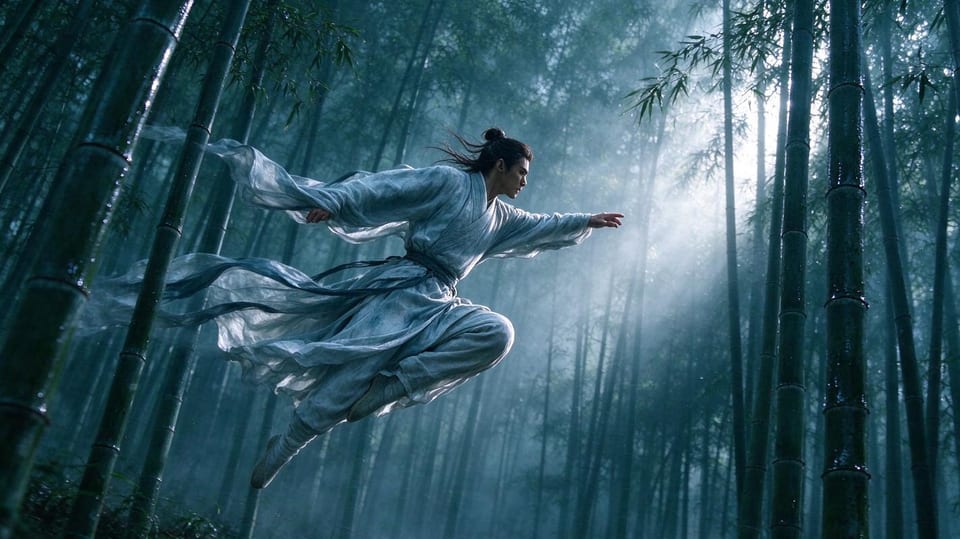
Kling 3.0 is Kuaishou's flagship video generation model, released in February 2026 with a unified multimodal architecture that handles text, image and video input. Its headline additions are native audio with multilingual dialogue and accents, multi-shot storytelling that plans camera changes inside one generation, and stronger element consistency using image or video references. Kling positions 3.0 for cinematic narrative work: character series, dialogue scenes and short dramas rather than isolated beauty shots. It also supports motion control. In this catalog, Kling 3.0 is the standard tier; available clip lengths, resolutions, audio and multi-shot controls depend on the runtime, so check the submission form before planning a sequence.
Kling動画
公開日2026年2月
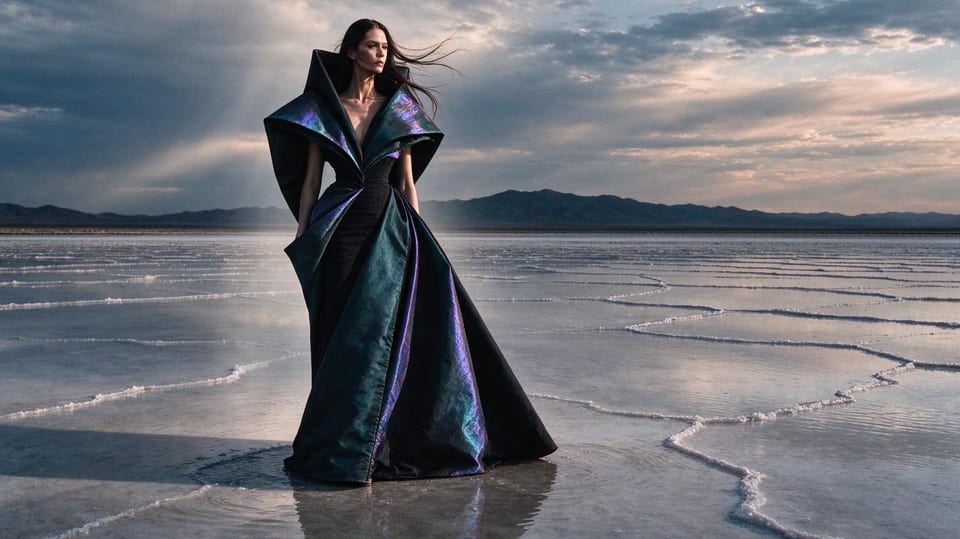
Kling 3.0 Pro is the higher-fidelity configuration of Kuaishou's Kling 3.0 video model in this catalog, aimed at shots that are delivered rather than reviewed. Kuaishou's 3.0 line is offered in different quality settings; here, Pro selects the higher-fidelity mode, which spends more compute per frame on detail, texture and motion stability while keeping the 3.0 feature set: native audio, multi-shot planning, element consistency and motion control. It suits key scenes in short dramas, product close-ups and character films. Available durations, resolutions, audio modes and shot controls are runtime-dependent, so confirm them in the submission form before building a sequence.
Kling動画
公開日2026年2月
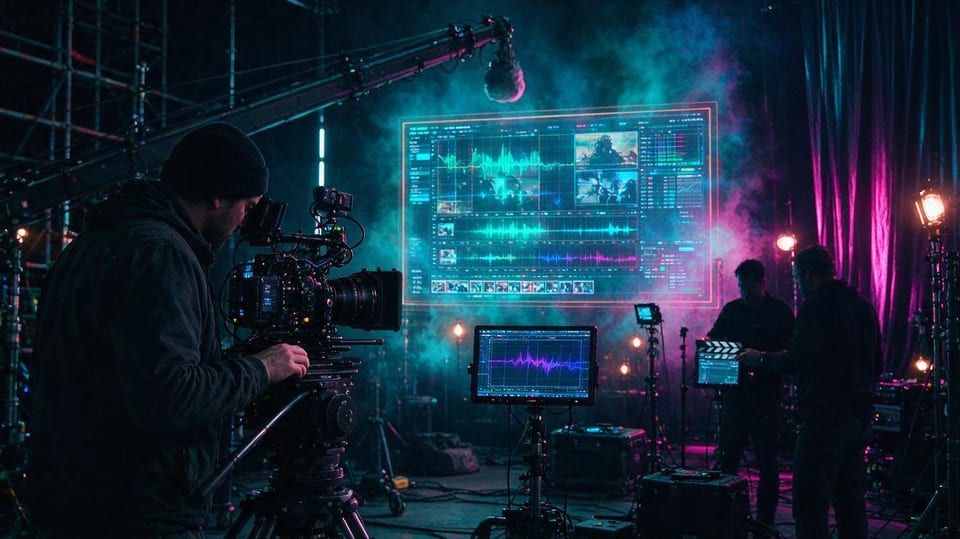
Kling 3.0 Omni (O3) is Kuaishou's multimodal tier: text, first and last frames, up to seven reference images, a reference video, or transformation of existing footage, with optional native audio and output up to 4K.
Kling動画
公開日2026年2月
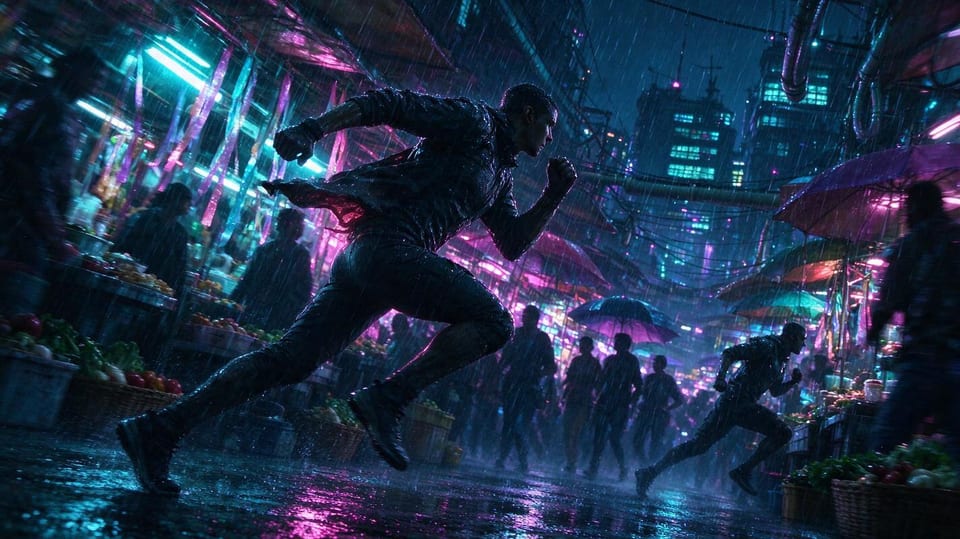
Seedance 2.0 is ByteDance Seed's multimodal video creation model and the quality baseline of the 2.0 family. It was the first Seedance generation built on a unified audio-video joint-generation architecture: text, images, video and audio all go in, and a multi-shot clip with synchronized sound comes out. Compared with earlier generations it is markedly stronger on complex interaction and motion, and it ships with reference-driven generation, video editing and video extension rather than prompt-to-clip alone. This is the tier to choose when the render is the deliverable — it carries the family's highest resolution ceiling and the fullest reference handling, while Fast and Mini trade that ceiling for speed and cost.
Kling動画
公開日2026年2月
Seedream 5.0 is ByteDance Seed's 5.0-generation image creation model, first shipped in the company's own editing apps and then exposed to developers through the Ark and ModelArk platforms. Its headline change is reasoning: it plans a composition before it draws, can pull current information from the web when a prompt depends on recent facts, and reads vague or abstract briefs more like a working designer would. It also adds brush-style local editing and noticeably finer texture rendering. In the API the same generation appears as pro and flash variants, so the model string you call and the controls you get depend on the surface. Treat resolution tiers, reference-image counts and retrieval availability as runtime configuration and confirm them per account.
ByteDance画像
公開日2026年2月

Nano Banana Pro is the premium image model in Google's Nano Banana family, known in the Gemini API as Gemini 3 Pro Image. It puts native image generation on top of the Gemini 3 Pro reasoning stack, so one prompt can carry layout instructions, brand rules, and multi-step editing intent rather than only a visual description. Output is aimed at studio-grade work where a single frame has to be right: campaign key visuals, packaging and product mockups, editorial illustration, and dense infographics that depend on legible typography. It accepts reference images for product, character, or style consistency, and can ground factual visuals in Google Search results. Because it plans before it renders, it is the most deliberate member of the family — the right pick when fidelity and instruction accuracy matter more than throughput. Outputs carry a SynthID watermark.
Google画像
公開日2025年11月

Google Veo 3.1 is Google DeepMind's video generation model for turning a written scene into a short, finished clip with synchronized audio. Introduced in October 2025 as an upgrade to Veo 3, it improves prompt and camera-direction adherence while generating dialogue, ambience and sound effects in the same pass as the picture. Google's API also adds reference-image guidance, scene extension and first-to-last-frame transitions for the family. On this platform, Veo 3.1 is the standard entry point: describe one shot, choose widescreen or vertical framing, and get a clip back with native sound. It suits ads, social teasers and single-shot story beats. Clip length, resolution and available input modes are set by the runtime and shown before you submit.
Google動画
公開日2025年10月
Google Veo 3.1 Pro is the quality-first configuration of Google DeepMind's Veo 3.1 video model in this catalog, intended for shots that will be seen large, replayed or judged frame by frame. It prioritises visual fidelity, material detail and motion coherence over turnaround speed, while keeping the family's native audio: dialogue, ambience and effects are generated with the picture in one pass. Google's Veo 3.1 family also supports image-guided generation, scene extension and transitions between a first and last frame at the API level. Use Pro for hero shots, product films and final frames; use the standard or Lite tiers for exploration and volume. Exact durations, resolutions and input modes are set by the runtime and shown before submission.
Google動画
公開日2025年10月
Nano Banana Flash is the model that introduced the Nano Banana name: Gemini 2.5 Flash Image, a fast multimodal generator and editor rather than a standalone diffusion endpoint. Text and images go in together, so one request can create a picture, retouch an upload, merge several references, or change a single detail while leaving the rest untouched. Its strengths are conversational iteration and subject consistency — ask for a small correction in plain language and it keeps the character, outfit, or scene steady across turns. Because it is tuned for speed and volume, it is a practical default for chat-style creative tools, product thumbnails, and social variants. Google has since added higher-fidelity members to the family, so reach for those when you need selectable resolution tiers or web-grounded visuals. Outputs include a SynthID watermark.
Google画像
公開日2025年8月
Grok Imagine is xAI's image model for photorealistic stills. It renders square, portrait and landscape frames from text and can rework a single reference image, with a strong bias toward natural light and camera-like realism.

その他画像
公開日2025年8月

Text-to-image generation and multi-reference image editing
OpenAI画像
公開日—